A Guide to Hygiene Regulations for Tattoo Studios on the Sunshine Coast
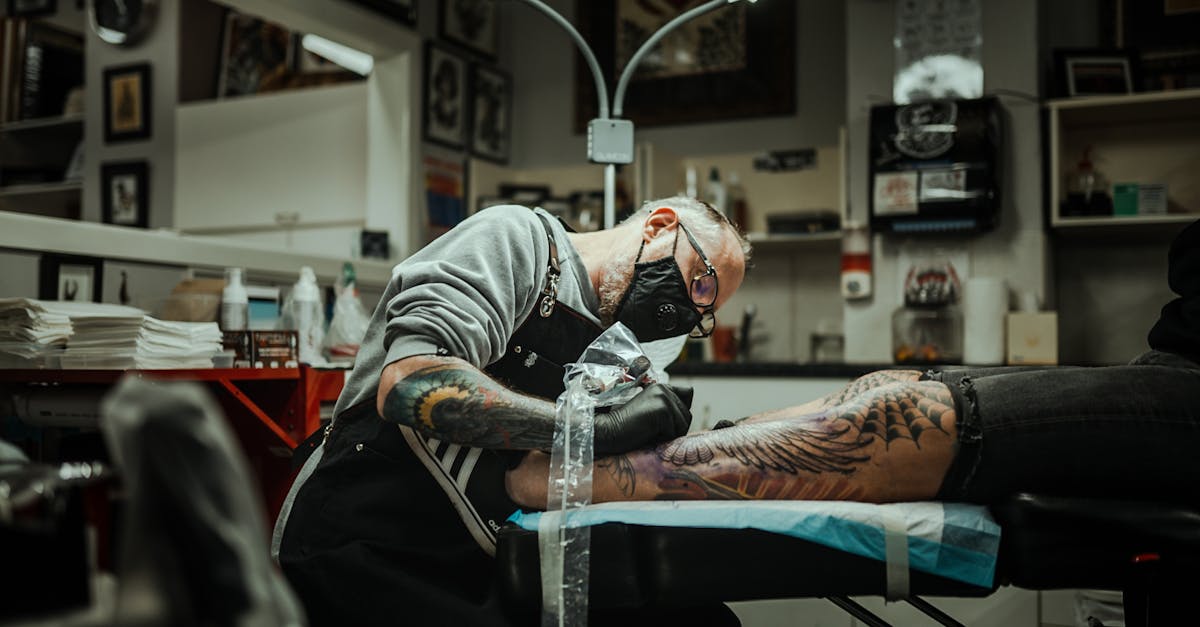
Table Of Contents
Client Health and Safety Measures
Ensuring client health and safety is a priority for tattoo studios. Artists must conduct thorough consultations to assess clients’ medical histories and any potential allergies. Providing clear information about aftercare also plays a significant role in promoting a safe experience. Keeping open lines of communication can help clients feel more comfortable and empowered to voice concerns during the process.
Additionally, the studio environment should reflect commitment to client safety. Maintaining a clean and organised workspace prevents the risk of cross-contamination. All equipment must be sterilised properly, and single-use items should be disposed of immediately after each session. Implementing these measures not only protects clients but also enhances the studio's professional reputation.
Ensuring the Well-being of Clients During Procedures
Tattoo studios must prioritise the comfort and safety of their clients throughout the entire tattooing process. This begins with a thorough consultation where artists discuss the client's health history and any potential allergies, ensuring personalised care. Creating a calm environment can also help reduce anxiety. Clients should feel at ease, as their emotional well-being plays a key role in the overall experience.
The use of appropriate protective equipment is vital during procedures to safeguard both clients and artists. Artists should wear sterile gloves and masks to minimise the risk of infections. Tools must be properly sterilised and single-use items should be disposed of correctly. Regular training sessions for staff on hygiene best practices reinforce these measures and help ensure a safe experience for everyone involved.
Infection Control Protocols
Tattoo studios must adhere to strict infection control protocols to protect both clients and artists. Utilising single-use equipment is essential. All needles, inks, and gloves need to be disposed of properly after each use. Sterilisation of reusable tools, such as tattoo machines and grips, should occur with medical-grade autoclaves to ensure the elimination of pathogens. Surfaces must also be disinfected before and after each session to mitigate the risk of cross-contamination.
Training staff in proper hygiene practices forms a crucial part of infection control. Artists should regularly participate in workshops and certifications that cover the latest health guidelines and practices. This ensures that they remain informed about effective techniques in maintaining a safe environment. Additionally, establishing clear protocols for handling spills and accidents can further decrease the likelihood of contamination. Communication with clients about aftercare is also vital for preventing infections post-tattoo.
Steps to Prevent Contamination in the Studio
Maintaining a clean environment is crucial for minimising the risk of contamination in tattoo studios. All surfaces, including workstations and equipment, should be cleaned and disinfected regularly using EPA-approved products. It is essential to have separate areas for clean and contaminated items, ensuring that any used tools or ink are promptly separated from those that are ready for use. Implementing a clear protocol for waste disposal is also vital, with clearly labelled containers for sharps and biohazard materials to ensure proper handling and disposal.
Artists should always adhere to proper hand hygiene practices before and during procedures. Wearing clean gloves not only protects the client but also serves as a barrier against cross-contamination. It’s advisable for artists to use single-use items wherever possible. Frequent changes of gloves throughout the tattooing process minimise the risk of transmitting harmful bacteria that could lead to infection. Ensuring that all equipment is sterilised effectively can further safeguard against potential contaminants.
Record-Keeping for Hygiene Practices
Maintaining accurate records of hygiene practices is essential for tattoo studios. Documentation serves as a vital tool for tracking compliance with local health regulations and assessing the effectiveness of infection control measures. By consistently logging cleaning schedules, equipment sterilisation processes, and staff training sessions, studios can ensure transparency and accountability in their operations. This practice not only helps in meeting regulatory standards but also builds trust with clients who value their health and safety.
Regular audits of record-keeping procedures further enhance a studio's commitment to hygiene. These evaluations can identify gaps in practices and offer insights into necessary improvements. Keeping detailed records allows studio owners to respond swiftly to any health-related incidents that may arise, demonstrating proactive management. An organised record-keeping system contributes significantly to the overall professionalism of the tattoo studio, reassuring clients about their safety during the tattooing process.
Importance of Documentation and Audits
Maintaining comprehensive records of hygiene practices is essential for tattoo studios. Documentation serves multiple purposes, including tracking the efficacy of infection control measures and ensuring compliance with local regulations. Having detailed logs provides a clear history of the procedures followed, which is crucial in the event of an inspection or client inquiry.
Regular audits of hygiene practices help identify areas for improvement and reinforce a culture of safety within the studio. These assessments can pinpoint lapses in compliance or inconsistencies, allowing studio operators to address concerns proactively. By committing to thorough documentation and periodic evaluations, tattoo studios can enhance their reputation and provide clients with the assurance that their health and safety remain a top priority.
FAQS
What are the key health and safety measures for clients in tattoo studios?
Key health and safety measures include thorough sanitisation of workspaces, the use of disposable equipment, and ensuring that artists wear gloves and personal protective equipment during procedures.
How can tattoo studios ensure the well-being of clients during procedures?
Tattoo studios can ensure client well-being by conducting pre-procedure consultations, reviewing client medical histories, and maintaining a clean and sterile environment throughout the tattooing process.
What infection control protocols should tattoo studios follow?
Tattoo studios should follow infection control protocols that include proper cleaning and disinfection of equipment, maintaining a sterile environment, and adhering to local health regulations regarding waste disposal.
What steps can be taken to prevent contamination in the studio?
To prevent contamination, studios should implement strict hygiene practices, such as regularly cleaning surfaces, using single-use materials wherever possible, and ensuring that all artists are trained in proper hygiene techniques.
Why is record-keeping important for hygiene practices in tattoo studios?
Record-keeping is important because it helps ensure compliance with health regulations, facilitates audits, and allows studios to track hygiene practices and any incidents that may occur, ultimately improving client safety and trust.
Related Links
Customer Reviews on Cleanliness Standards in Sunshine Coast Tattoo ShopsA Clean Canvas: Assessing Cleanliness Practices in Local Tattoo Studios
The Importance of a Sterile Environment in Sunshine Coast Tattoo Parlours
Spotlight on Sanitisation: Sunshine Coast Tattoo Shops Under the Microscope
What to Look for: Cleanliness Checks in a Tattoo Studio
Comparing Cleanliness Ratings of Popular Tattoo Shops on the Sunshine Coast
The Role of Sterilisation in Sunshine Coast Tattoo Parlours
How Shop Cleanliness Influences Your Tattoo Experience
Evaluating the Hygiene Standards of Sunshine Coast Tattoo Shops