Meaning and Symbolism in Watercolour Tattoo Art
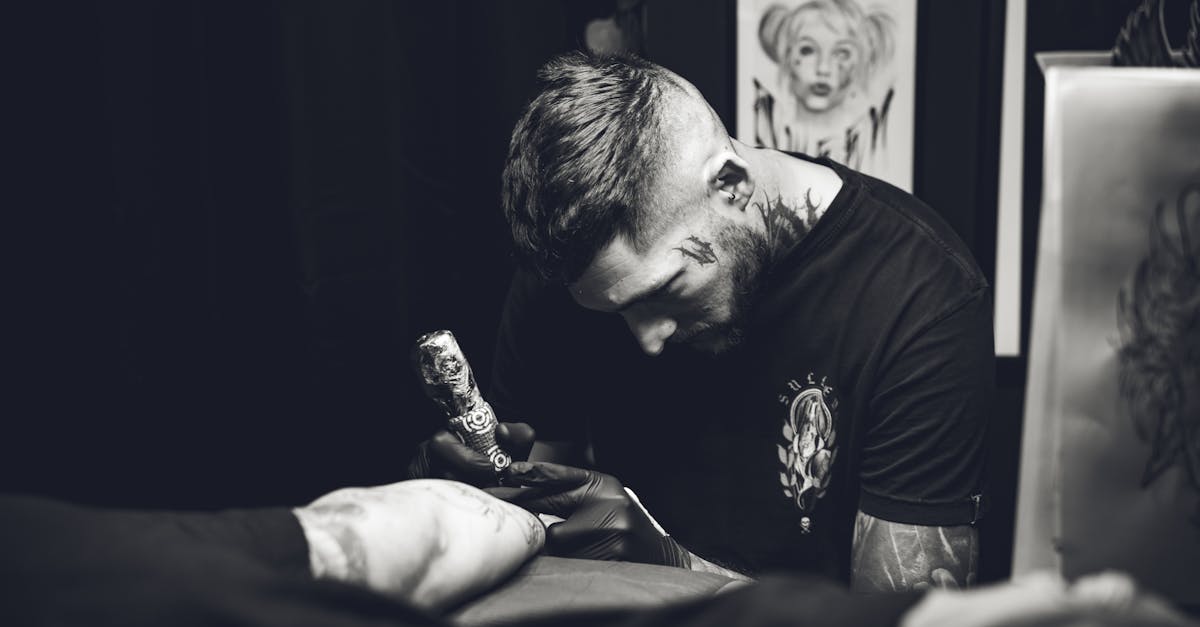
Table Of Contents
The Process of Creating Watercolour Tattoos
The journey of crafting watercolour tattoos involves a series of meticulous steps. Initially, artists collaborate with clients to determine the desired design and placement. This consultation helps in understanding the individual's vision and personal meaning. Once the concept is finalised, the artist often sketches the design on paper, capturing the fluid and organic nature characteristic of watercolour art. This preliminary stage allows for adjustments before the tattooing process begins.
When it comes to the actual tattooing, artists prefer using specific techniques that mimic the brush strokes found in traditional watercolour paintings. The application typically involves a layering method, where colours are gradually built up to achieve depth and vibrancy. Many artists use soft, diluted inks to create a wash effect, resulting in a smooth blend of colours. This method not only enhances the visual appeal but also reflects the ephemeral quality of watercolours, making each tattoo unique to the individual wearer.
Techniques and Tools Used by Artists
Tattoo artists utilise a variety of techniques to achieve the distinctive aesthetic of watercolour tattoos. Layering is a fundamental method where colours are applied in translucent washes, creating a sense of depth and fluidity that mimics the unpredictability of watercolour painting. Artists often blend shades directly on the skin for a seamless transition between hues, or use negative space effectively to enhance the design's visual impact. The use of soft, brush-like strokes can further emulate traditional painting techniques, resulting in vibrant and flowing designs that stand out in the tattoo world.
The tools employed by artists also play a crucial role in the final outcome. Tattoo machines equipped with fine needles allow for precise application of ink in varying depths, ensuring that the colours effectively penetrate the skin while maintaining a painterly quality. Many artists opt for specially formulated inks that closely resemble watercolour paint, which can create soft, natural-looking effects. Additionally, some practitioners may incorporate brushes or sponges in their process for blending colours, further enhancing the artistic resemblance to traditional watercolour techniques.
Cultural Influences on Watercolour Tattoo Designs
Watercolour tattoos often reflect a rich tapestry of cultural influences that add depth to their artistic expression. Artists frequently draw inspirations from various traditions, each imbuing the designs with unique meanings. For instance, indigenous cultures may incorporate symbolic elements representing their connection to the land and heritage. Similarly, Eastern influences may introduce motifs like lotus flowers, which hold significant spiritual connotations. This melding of styles creates pieces that resonate with personal narratives while celebrating diverse cultural backgrounds.
Visual elements in these tattoos often stem from the beliefs and stories inherent to specific cultures. The fluidity of watercolour techniques allows for vibrant representations that can evoke emotions tied to those traditions. Colours may hold particular significance; for example, reds and yellows often symbolise vitality and joy in many cultures, while blues can signify tranquility and wisdom. Such attention to cultural symbolism not only enhances the aesthetic appeal of watercolour tattoos but also enriches the wearer's connection to their chosen designs, making each piece an intimate storytelling medium.
Diverse Traditions and Their Symbolism
Different cultures around the world have contributed unique symbols to the realm of tattoo art, each telling their own stories through intricate designs. For instance, Maori tattoos, known as ta moko, reflect the wearer's lineage and social status. These designs often incorporate elements of nature and ancestral images, making each tattoo a personal narrative linking the individual to their heritage.
In contrast, Japanese tattoos are rich with mythological creatures and floral motifs, each representing different virtues or life lessons. The koi fish symbolizes perseverance and strength, while cherry blossoms epitomise the beauty and transience of life. These diverse traditions showcase how tattoos can convey deep meanings rooted in cultural beliefs, allowing individuals to express their identities and values through art.
The Role of Nature in Watercolour Art
Nature plays a pivotal role in shaping the aesthetics of watercolour tattoos. Artists often draw inspiration from the vibrant hues of landscapes, flora, and fauna, translating these natural elements into body art. The fluidity and translucence intrinsic to watercolour techniques echo the organic beauty found in nature. This connection to the environment not only enriches the tattoo’s visual impact but also imbues it with deeper meanings, reflecting the wearer’s personal relationship with their surroundings.
The dynamic representation of elements like waves, leaves, and sunsets serves to evoke emotions and memories associated with the natural world. Watercolour tattoos frequently capture moments of serenity and chaos alike, mirroring the intricate patterns and colours of ecosystems. This artistic approach fosters a dialogue between the tattoo and the observer, inviting appreciation for both the art form and the inspirations behind it. Such designs resonate on a personal level, making nature an essential theme in the evolution and popularity of watercolour tattoos.
Inspiration from the Natural World
Nature serves as an infinite source of inspiration for watercolour tattoos, with its vivid colours and intricate patterns reflecting the beauty of the environment. Artists often draw from the delicate hues of flowers, the serene flow of rivers, or the majestic presence of mountains. Each element found in the natural world can be transformed into a stunning design that captures the essence of life and movement. This connection allows a deeper expression of personal experiences and emotions.
Furthermore, the symbolism embedded in natural imagery enriches the meaning of each tattoo. For instance, a lotus flower may represent purity and rebirth, while a soaring eagle can symbolise freedom and strength. These motifs resonate deeply with individuals, fostering a more profound connection between the wearer and their chosen artwork. Through careful selection of natural elements, watercolour tattoos become personal narratives, celebrating the beauty and complexity of the world around us.
FAQS
What is the significance of watercolour tattoos in modern tattoo art?
Watercolour tattoos are significant in modern tattoo art as they represent a departure from traditional tattoo styles by embracing vivid colours and fluid designs that mimic the appearance of watercolour paintings. This style allows for greater artistic expression and personalisation.
How do cultural influences shape the designs of watercolour tattoos?
Cultural influences shape the designs of watercolour tattoos by incorporating elements, symbols, and motifs from various traditions, which can convey deeper meanings and personal significance. Artists often draw inspiration from their cultural heritage or global influences to create unique pieces.
What are some common themes found in watercolour tattoo symbolism?
Common themes in watercolour tattoo symbolism include nature, freedom, emotion, and individuality. Many designs feature elements like flowers, animals, and celestial bodies, each carrying its own symbolism related to growth, transformation, and personal connection to the natural world.
What techniques do artists use to achieve the watercolour effect in tattoos?
Artists use several techniques to achieve the watercolour effect in tattoos, including blending colours, using gradients, and applying soft brush strokes. They often utilise special tools such as brushes and sponges to create the fluid, painterly look that characterises this style.
Can the meaning of a watercolour tattoo change over time?
Yes, the meaning of a watercolour tattoo can change over time as individuals evolve and their life experiences shape their perspectives. What a tattoo represents at one point in life may take on new significance or interpretation as a person undergoes personal growth and change.
Related Links
How to Choose the Right Colour Palette for Your Watercolour TattooTop 5 Watercolour Tattoo Artists on the Sunshine Coast
Inspirational Watercolour Tattoos: A Gallery of Ideas
Aftercare Tips Specifically for Watercolour Tattoos
The Role of Skin Tone in Watercolour Tattoo Aesthetics
Understanding the Challenges of Watercolour Tattoo Application
Trends in Watercolour Tattoos for 2024
Techniques Behind Stunning Watercolour Tattoo Designs
The Evolution of Watercolour Tattoos in Australia