The Fusion of Art and Precision in Geometric Tattoo Designs
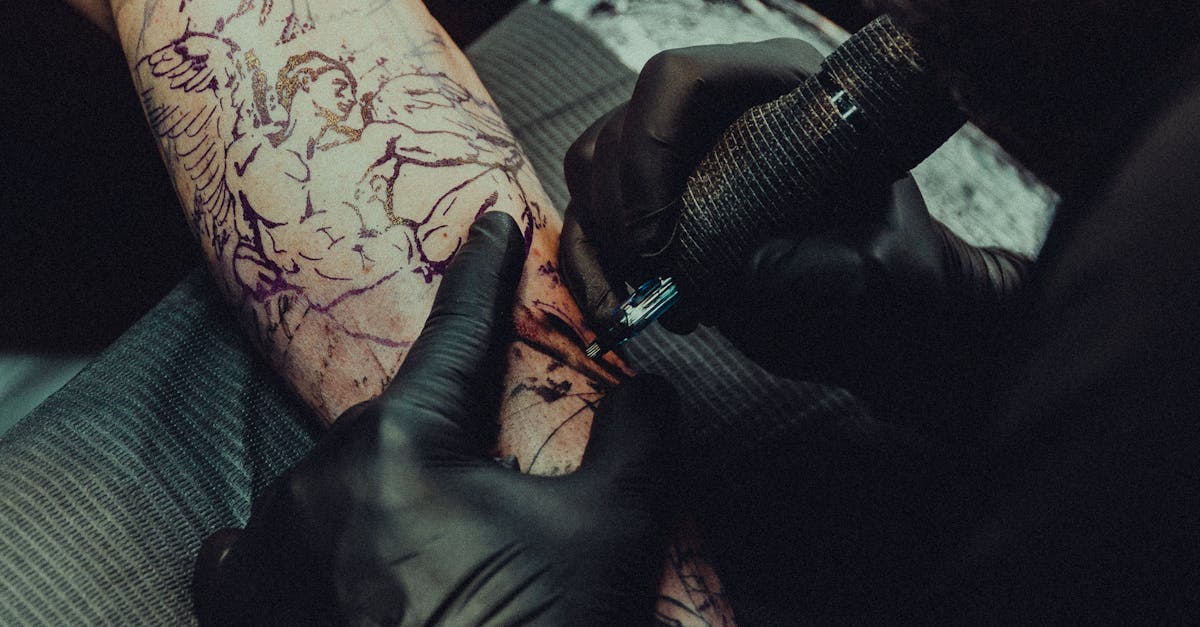
Table Of Contents
Popular Geometric Tattoo Motifs
Geometric tattoos often feature motifs that resonate deeply with personal symbolism and aesthetic appeal. Circles are a popular choice, representing unity, completeness, and eternity. Triangles, with their strong lines, signify stability and balance, while intricate mandalas encompass spiritual meanings and a sense of harmony. These shapes can be used individually or combined in seamless patterns to create visually compelling designs.
Animal representations can also be found within the realm of geometric tattoos. Designs often incorporate the silhouettes or outlines of creatures like wolves, foxes, and elephants. These tattoos blend natural forms with geometric precision, enhancing the visual impact and adding layers of meaning. The versatility of geometric motifs allows for endless creativity, making them a preferred option for those looking to convey their identity or beliefs through body art.
Exploring Shapes and Symbols
Geometric tattoos often draw inspiration from a variety of shapes and symbols, each carrying its own unique meaning and significance. Triangles may represent strength and stability, while circles embody unity and eternity. The interplay of lines and angles can create intricate designs that resonate on both visual and emotional levels. These motifs allow individuals to express personal beliefs and values through minimalist yet powerful imagery.
Artists frequently experiment with these forms, blending them into original compositions that showcase creativity and technical skill. The use of negative space enhances the impact of the designs, making them not just tattoos but also pieces of art that can provoke thought and reflection. Each design holds the potential to tell a story, allowing the wearer to embody something deeply personal or universally understood.
The Experience of Getting a Geometric Tattoo
The experience begins with a visit to a skilled tattoo artist who specialises in geometric designs. Clients often discuss their ideas and preferences, allowing the artist to sketch a unique piece that resonates with their vision. This initial consultation sets the stage for a collaborative process. The artist's expertise in balancing shapes and maintaining precision is crucial for achieving the desired outcome.
On the day of the tattoo appointment, the atmosphere may vary from calm and soothing to vibrant and energetic, depending on the studio's vibe. Artists often use techniques to ensure client comfort during the process. The tattooing itself can involve a range of sensations, from gentle tingling to sharper discomfort in more sensitive areas. Understanding what to expect can help ease anxiety and enhance the overall experience.
What to Expect During the Process
Entering a tattoo studio for a geometric tattoo involves a blend of excitement and anticipation. The artist usually begins with a thorough consultation to understand your vision and preferences. They might discuss various motifs that resonate with you and how those can be adapted into a geometric design. After settling on an idea, the artist often drafts a sketch on paper to assess proportions and positioning. This preliminary step allows for adjustments before any ink is applied.
Once you approve the design, the tattooing process begins. The artist meticulously outlines the chosen shapes using a tattoo machine, ensuring precision and accuracy. Expect a steady hand and a keen eye for detail, as geometric tattoos require a high level of craftsmanship. Pain levels can vary depending on the location of the tattoo, but most find it manageable. The entire procedure might last anywhere from a few hours to an entire session, depending on the complexity of the design.
Aftercare for Geometric Tattoos
Taking care of a new geometric tattoo is crucial for preserving its intricate design and ensuring proper healing. It starts immediately after the tattooing process. Keep the area clean by gently washing it with a mild, fragrance-free soap. Pat the skin dry with a clean towel, avoiding any rubbing that could irritate the fresh ink. Applying a thin layer of tattoo-specific moisturiser or a recommended ointment helps keep the skin hydrated. This not only alleviates discomfort but also aids in healing while preventing scabbing.
As the tattoo heals, it’s important to avoid exposure to direct sunlight. UV rays can fade the vibrant inks used in geometric designs, compromising their clarity. Wearing loose clothing over the tattooed area can prevent friction and irritation during the healing process. Regularly moisturising the tattoo will keep the skin supple and maintain the tattoo's definition. Avoid soaking in baths or swimming, as these can introduce bacteria and lead to infection. Keeping these care tips in mind will contribute to the longevity and vibrancy of the geometric art on your skin.
Tips for Maintaining Clarity and Detail
After getting a geometric tattoo, following proper aftercare routines is crucial to preserving its intricate details. Keeping the tattoo clean and moisturised helps prevent infection and supports healing. Use a gentle, unscented soap for cleaning, and apply a thin layer of fragrance-free moisturiser or a specialised tattoo aftercare ointment. It is important to avoid soaking the tattoo in water, such as in baths or pools, until it is fully healed. Sun exposure can also fade the crisp lines, so covering the tattoo with clothing or applying a high-SPF sunscreen will safeguard its clarity during outdoor activities.
Regular touch-ups may be necessary as your tattoo ages. If you notice any fading or blurring in the design, scheduling an appointment with your tattoo artist can help restore its original precision. Additionally, staying hydrated and maintaining overall skin health will support the longevity of your tattoo. Always listen to your body for any signs of irritation or allergies that may arise during the healing process, as topical reactions can compromise the design’s clarity.
FAQS
What are some popular geometric tattoo motifs?
Some popular geometric tattoo motifs include mandalas, sacred geometry symbols, animals represented in geometric forms, and intricate line work designs.
What should I expect during the process of getting a geometric tattoo?
During the tattooing process, you can expect to discuss your design with the artist, go through the stencil application, and experience the tattooing itself, which may involve varying levels of discomfort depending on your pain tolerance and the tattoo's location.
How can I maintain the clarity and detail of my geometric tattoo after getting it?
To maintain the clarity and detail of your geometric tattoo, make sure to follow aftercare instructions provided by your artist, keep the tattoo clean and moisturised, avoid direct sunlight, and refrain from picking at scabs.
Is there a specific healing time for geometric tattoos?
The healing time for geometric tattoos typically ranges from 2 to 4 weeks, but full healing may take several months. It's important to keep monitoring the tattoo during this time for any signs of irritation or infection.
Can I customise the design of my geometric tattoo?
Absolutely! Many tattoo artists encourage clients to customise their geometric tattoo designs to reflect personal meaning or aesthetic preferences, ensuring that the final piece is unique to you.
Related Links
Exploring the Symmetry of Geometric Tattoos on the Sunshine CoastMixing Styles: Geometric Tattoos with Floral Elements
The Cultural Significance of Geometric Patterns in Tattoos
From Folklore to Modernity: Evolution of Geometric Tattoos
Celebrating Minimalism: Small Geometric Tattoos for Subtle Statements
Custom Geometric Tattoo Ideas Inspired by Nature on the Sunshine Coast